Field Surface & Membrane
Visible wear, punctures, splits, blisters, exposed reinforcement and surface deterioration are documented before they become larger failure paths.


Reduce avoidable roof failures by inspecting vulnerable details, keeping drainage paths open, documenting changes and addressing small defects before water reaches occupied space. Rhyne Roofing builds commercial maintenance scopes around the roof system, building access and property priorities.
Commercial roofing is exposed to heat, ultraviolet light, wind-driven rain, ponding water, debris and regular foot traffic. Mechanical contractors, sign installers and other trades can also disturb seams, flashings or walk paths without creating an immediate interior symptom.
Rhyne Roofing uses scheduled condition reviews and documented priorities to help property teams address small defects, keep drainage paths open and build a clearer working history for the roof.
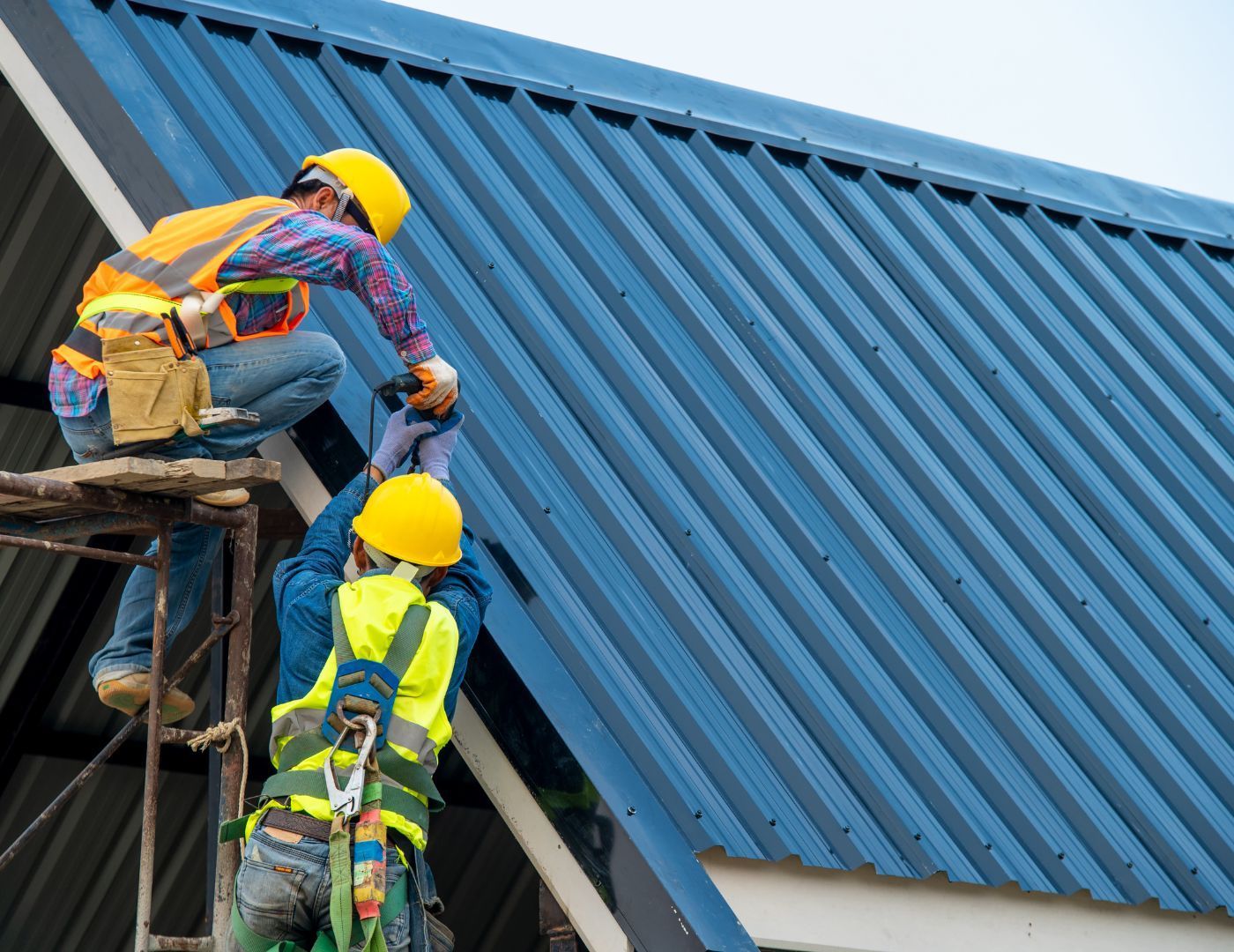
The exact scope depends on the roof system, age, warranty, access and known history. These are common areas that deserve repeatable review and documentation.
Visible wear, punctures, splits, blisters, exposed reinforcement and surface deterioration are documented before they become larger failure paths.
Seams, wall transitions, base flashings and changes in plane are reviewed for movement, separation and aging details.
Pipes, vents, drains, conduits, equipment supports and HVAC curbs are checked where movement or service work can affect watertight connections.
Drains, scuppers, gutters, downspouts and low areas are reviewed for blockages, deterioration and conditions that contribute to ponding.
Perimeter metal, access points, walk pads and common service routes are checked for wind damage, loose components and foot-traffic wear.
Photos and locations are organized into items to complete now, monitor over time or include in future capital planning.
Scheduled visits matter, but commercial roofs also change after severe weather, equipment service, tenant work and recurring drainage problems. A useful program combines routine reviews with event-based checks and a record that carries forward.
Roof system, approximate age, warranties, access rules, prior repairs, known leaks, rooftop equipment and existing records.
What condition is the roof starting from, and which areas need repeat attention?
Field membrane, seams, flashings, penetrations, drainage, debris, perimeters, traffic routes and previous repair areas.
What has changed since the last visit, and which items require service, monitoring or a separate repair scope?
Wind and debris damage, punctures, displaced metal, disturbed walk pads, open details and areas used by HVAC or other service crews.
Did a specific event create a new vulnerability that should be handled before the next rain cycle?
Open items, recurring leak areas, repair spending, moisture concerns, roof age and the serviceability of the overall assembly.
What belongs in the current maintenance budget, and what should move into longer-term capital planning?
The value is not just the walk-through. It is the dated record that shows what was observed, what changed and what the property team approved next.
Share roof plans, warranties, prior reports, leak history, contact information and site access requirements.
Accessible roof areas, vulnerable details, drainage and previous work are reviewed and documented by location.
Findings are separated into maintenance items, defined repairs, monitoring needs and future capital concerns.
Completed work and remaining priorities are added to the roof history so the next review starts with context.
Share the property address, roof type, approximate age, known leaks, access rules, prior reports and maintenance goals. A commercial maintenance plan still requires direct evaluation because drainage, rooftop details and current condition cannot be verified from a form alone.
Important: Routine maintenance can reduce avoidable risk, but it cannot guarantee a leak-free roof. Concealed moisture, severe weather, aging materials and work by other trades can create conditions between visits.
The appropriate frequency depends on the roof system, age, warranty requirements, weather exposure, rooftop traffic and repair history. Many property teams combine scheduled reviews with additional checks after severe weather or significant rooftop work.
The agreed scope may include visible membrane or metal conditions, seams, flashings, penetrations, curbs, drainage, debris, perimeters, traffic areas and previous repairs. Findings should be documented with locations, photos and priorities.
No. Maintenance is a planned review and service scope intended to manage routine conditions and identify change. A repair is a defined correction for a specific defect or failure and may require separate approval, materials and scheduling.
No. Maintenance can reduce avoidable problems and identify visible concerns earlier, but it cannot eliminate severe weather, concealed conditions, material aging or damage that occurs between visits.
A follow-up review can be useful because service crews may move walk pads, open panels, drop tools, puncture membranes or disturb flashings and sealants around equipment without realizing it.
Maintenance records and required inspections may support warranty compliance, but the actual warranty documents control. Review the manufacturer or contractor terms before assuming a visit or repair satisfies a warranty requirement.
Keep roof plans, warranty documents, inspection reports, photos, repair invoices, leak locations, maintenance logs and records of rooftop equipment work. A consistent history makes recurring patterns easier to identify.
Replacement should be evaluated when deterioration is widespread, insulation or decking concerns are extensive, failures recur across several areas or ongoing repair spending is no longer producing dependable service.
Contact Rhyne Roofing to confirm maintenance availability, roof access requirements and the appropriate evaluation for your commercial property.
Schedule a condition review, document current priorities and create a practical follow-up rhythm before another leak interrupts the building.