Existing Roof Type
The membrane, metal panels, fasteners, earlier coatings and surface chemistry affect product compatibility and preparation requirements.
Extend the service strategy of an eligible low-slope roof with a coating system selected for the existing substrate and building conditions. Rhyne Roofing evaluates commercial roofs for preparation, repair and restoration requirements before recommending a coating—because coating the wrong roof only hides expensive problems.
A coating becomes part of the roof's water-control surface. Its performance depends on adhesion, compatible materials, proper preparation and a substrate that is dry and stable enough to restore.
Rhyne Roofing evaluates the existing system, visible moisture concerns, drainage and repair needs before recommending restoration. If the roof is saturated or structurally unsound, coating it is the wrong move.
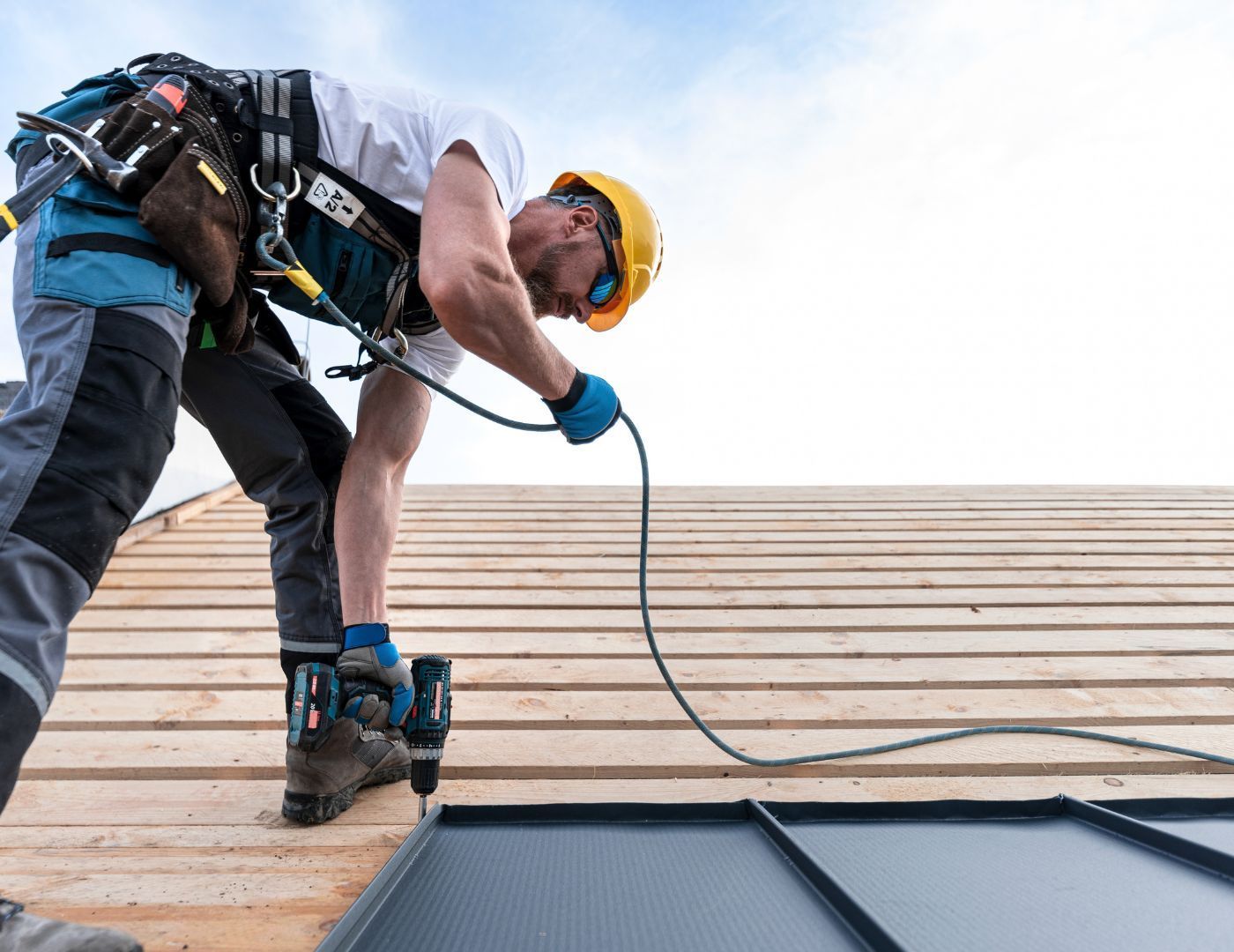
Coating success is decided before the first pail is opened. These conditions should be considered when qualifying and scoping the roof.
The membrane, metal panels, fasteners, earlier coatings and surface chemistry affect product compatibility and preparation requirements.
Wet insulation, trapped moisture or soft decking must be investigated and addressed. A coating should not seal active moisture into the assembly.
Open seams, flashings, penetrations, drains and curbs typically need reinforced repair details before the field coating is installed.
Cleaning, drying, rust treatment, primer and adhesion testing may be required so the coating bonds to the existing roof.
A coating does not create slope. Chronic ponding and drainage defects should be evaluated as part of the restoration plan.
Coverage rate and cured-film thickness must follow the approved system requirements; stretching material thin undermines performance.
The exact products and details depend on the substrate and manufacturer requirements, but a credible restoration scope addresses the whole surface.
Defects, seams, flashings and penetrations are repaired with compatible materials before field application.
Request an EvaluationSome substrates need a manufacturer-approved primer to improve adhesion, block bleed-through or prepare the surface.
Discuss Roof ConditionThe selected coating is installed at the specified coverage and thickness across the qualified roof surface.
Explore Commercial RoofingRoofs with extensive moisture, failed substrate or severe deterioration should move to replacement planning.
Explore ReplacementThe existing system, visible condition, drainage, repair history and moisture concerns are reviewed.
Cleaning, repairs, reinforcement, primer and any excluded areas are included in the scope.
Materials are installed according to the approved sequence, conditions and specified coverage requirements.
The completed surface is reviewed and the owner receives guidance on inspections, cleaning and future repairs.
A coating price without a roof evaluation is guesswork. Schedule an inspection so Rhyne Roofing can review substrate compatibility, moisture concerns, repairs, details and drainage before recommending restoration.
Important: Coatings can be a useful restoration strategy, but they do not repair structural decking, remove saturated insulation or correct every drainage defect. Eligibility must come before pricing.
A roof coating is a fluid-applied restoration layer installed over a qualified existing roof surface. It is typically combined with cleaning, repairs and reinforced detailing to create a renewed protective surface.
No. The existing roof must be compatible, sufficiently dry, stable and repairable. Extensive moisture, unsafe decking, severe deterioration or incompatible materials may require replacement instead.
A properly scoped system can address repairable defects, but coating alone does not solve wet insulation, structural problems, failed transitions or every drainage issue. Leak sources and substrate conditions must be evaluated first.
Preparation may include cleaning, drying, adhesion testing, rust treatment, primer, seam reinforcement, flashing repairs and replacement of isolated wet or damaged areas. Requirements vary by roof and product system.
No. A coating does not create slope. Some products tolerate limited ponding better than others, but drainage defects and chronic ponding should be evaluated rather than covered up.
Expected service depends on product chemistry, installed thickness, substrate condition, preparation, drainage, exposure and maintenance. Warranty length is not the same thing as guaranteed service life.
Often, yes, when compatible materials and proper preparation are used. Maintenance teams should retain system records so future repairs do not introduce incompatible products.
Compare verified moisture and substrate conditions, repair requirements, expected service extension, warranty options, disruption and lifecycle cost. The cheapest initial scope is not always the lowest-cost decision.
Contact Rhyne Roofing to confirm service availability and whether your existing commercial roof is a realistic restoration candidate.
Get a condition-based evaluation, address the repair and preparation requirements, and choose restoration only when it offers a defensible path forward for the asset.